A letter to cycle breaking women during the holidays
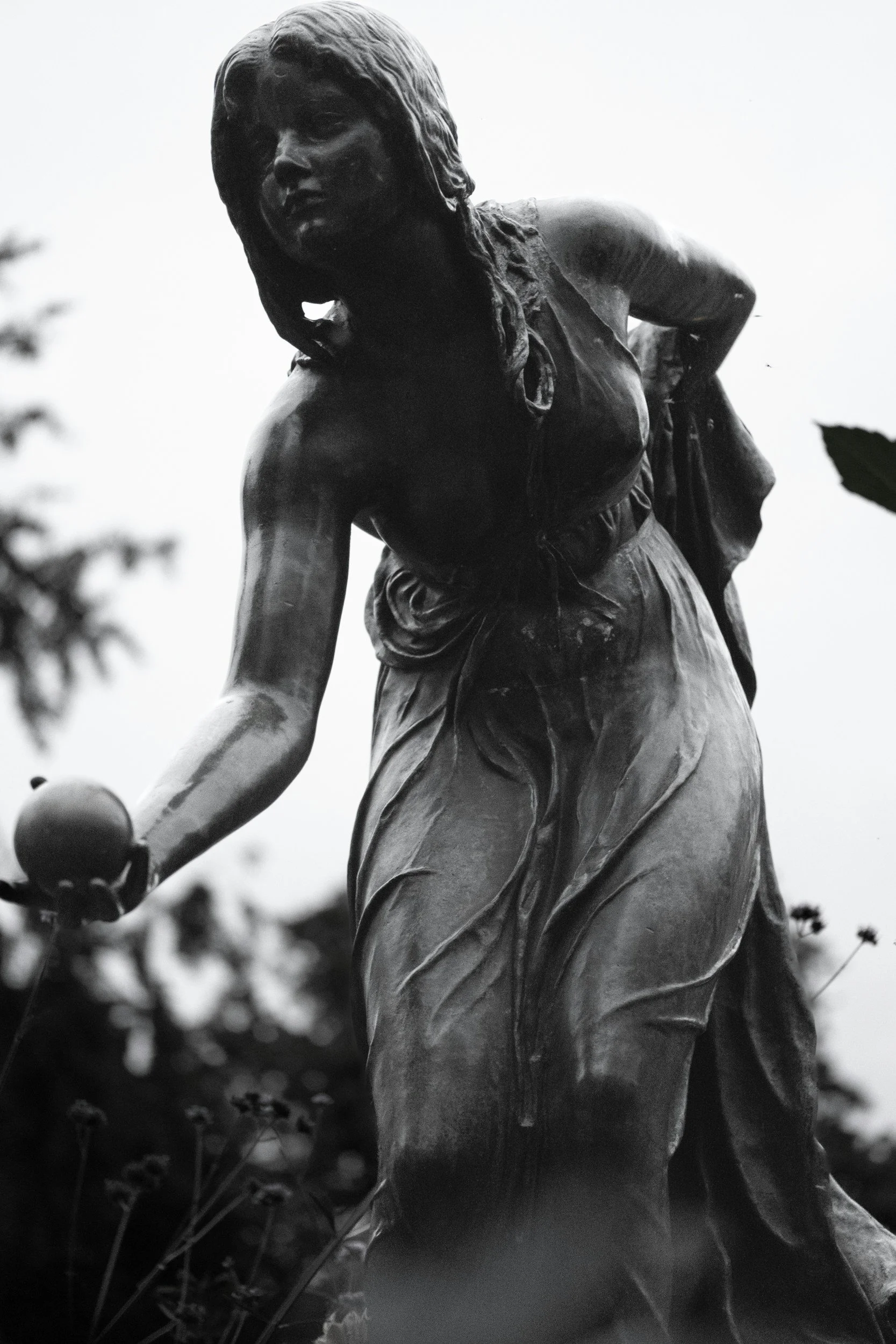

If you are reading this and have been feeling the holiday pressure looming, you are in good company. Perhaps even, you are not just noticing the pressure, but already pushing back against it, finding quiet ways to unhook form patterns that have been running your life for years.
This season has a way of amplifying every role you fill for others. Caregiver, planner, emotional buffer, provider, magic maker, peacekeeper. You may feel that you become so defined by the roles you perform that your own identity feels more like an idea or a part in a play, than something embodied from the inside out.
This is the burden of emotional and cognitive labor that has been assigned to women for generations. And during the holidays it gets amplified in the family and culture sphere. You are expected to absorb tension, smooth dysfunction, comply with tradition and expected roles, endure relatives who drain you, and pretend everything is fine so the family story stays intact. You end up performing a version of yourself that feels safe for everyone else while tucking your real self away. You likely learned to tuck the most vibrant parts of you away at an early age; to survive the spaces you’ll be entering during the holidays.
You are told this is the happiest time of the year. You are supposed to feel grateful, festive, generous, bright. So, when resentment, overwhelm, fatigue, or anger show up instead, it feels like a personal shortcoming. When your lived reality does not match the cultural script or the expected roles, the tradeoff can become an internal conflict, clouded by shame.
Many women learn very early in life that being agreeable, Self-less, and grateful for the bare minimum earns love and belonging. This message is reinforced throughout a lifetime, encouraging you to shrink yourself to make things easier for everyone else- else you be labeled as selfish, angry, bitter, high maintenance, B**chy, or any number of shame-filled labels women receive for breaking the mold.
The thing is, shrinking is a slow form of self-erasure. And yes, self-erasure is a form of oppression because anything that constricts your freedom, identity, or agency is oppressive, however it arrives, whatever promises it makes. If for you, anger or grief lives alongside that realization, it belongs here. There is grief here too, for the versions of you that never got to be celebrated and loved. Grief for holidays that were never actually restful, happy, or nourishing. Anger for recognizing that the things you are noticing are… not okay.
So now… there’s you. A cycle breaker. A cycle starter. A woman who has been noticing that the weight of what she has been carrying doesn’t belong entirely to her. A woman who is waking up inside the machine of holiday performance and saying, this doesn’t fit. And honestly, even if there is a voice inside that is telling you that feeling this way means you are too much, too difficult, it is beautiful and brave to acknowledge this for yourself. It is also uncomfortable as hell. Because choosing yourself will shift the system around you.
When you set boundaries, any people who benefited from your lack of boundaries will feel the change. When you step out of being the emotional caretaker for everyone, others will now feel the tension you used to absorb or swallow. It is important that you know that this is not you causing harm. Discomfort is a common result of telling the truth.

Photo by Hannah Lazer, via unsplash
Here is what I want you to remember, the darker side of learning to set boundaries and self-preservation: some people may, and likely will, react negatively to your new boundaries, and interpersonal discomfort or tension will rise. This happens when the people or the social systems around you have grown accustomed to your over functioning and self-erasure. You are not solely responsible for maintaining every tradition, every relationship, every emotional climate. You do not owe anyone a performance. You are allowed to be a full person with needs, edges, limits, preferences, and a center that deserves to be listened to. So, if people do react negatively, this does not mean you are doing anything wrong.
If you find yourself fantasizing about getting away from it all, or skipping the holidays altogether this year, that could be your system telling you that you need space to breathe and remember who you are outside of what you do for others. You are not lazy for wanting rest, or selfish for craving authenticity or peace, or dramatic for needing relief. You are a real human with your own needs.
This season, I invite you to choose at least one moment, one new personal tradition, however small, where you stop performing and start inhabiting yourself again. One choice that pulls you out of the pressure of expectation and back into your center, even if it’s just for you. You do not owe anyone a version of you that costs you your well-being or your identity. You are allowed to live a life that feels like yours.
And if things get messy when you stop carrying everything, I say, Good! Discomfort is OK! That means the system is adjusting to the truth of who you are authentically, to your right to take up space. And that discomfort is not yours to carry on your own, at the expense of your Self. It may even make space for more of what feels truly honest, alive, and peaceful.
As the late, beloved, Jane Goodall famously said, ‘It actually doesn’t take much to be considered a difficult woman. That’s why there are so many of us!’
Wishing you a season of courage, peace, and authentic connection.
WAYS TO WORK WITH ME:
Online somatic and soul-centered counseling, yoga, and Brainspotting for women located in Bend, Oregon and the state of Oregon. Click here to schedule a free consultation.
Read more about sacred becoming therapy here and my approach to working with cycle breaking women here.
Enter your email at the bottom of this page to stay up to date on offerings!